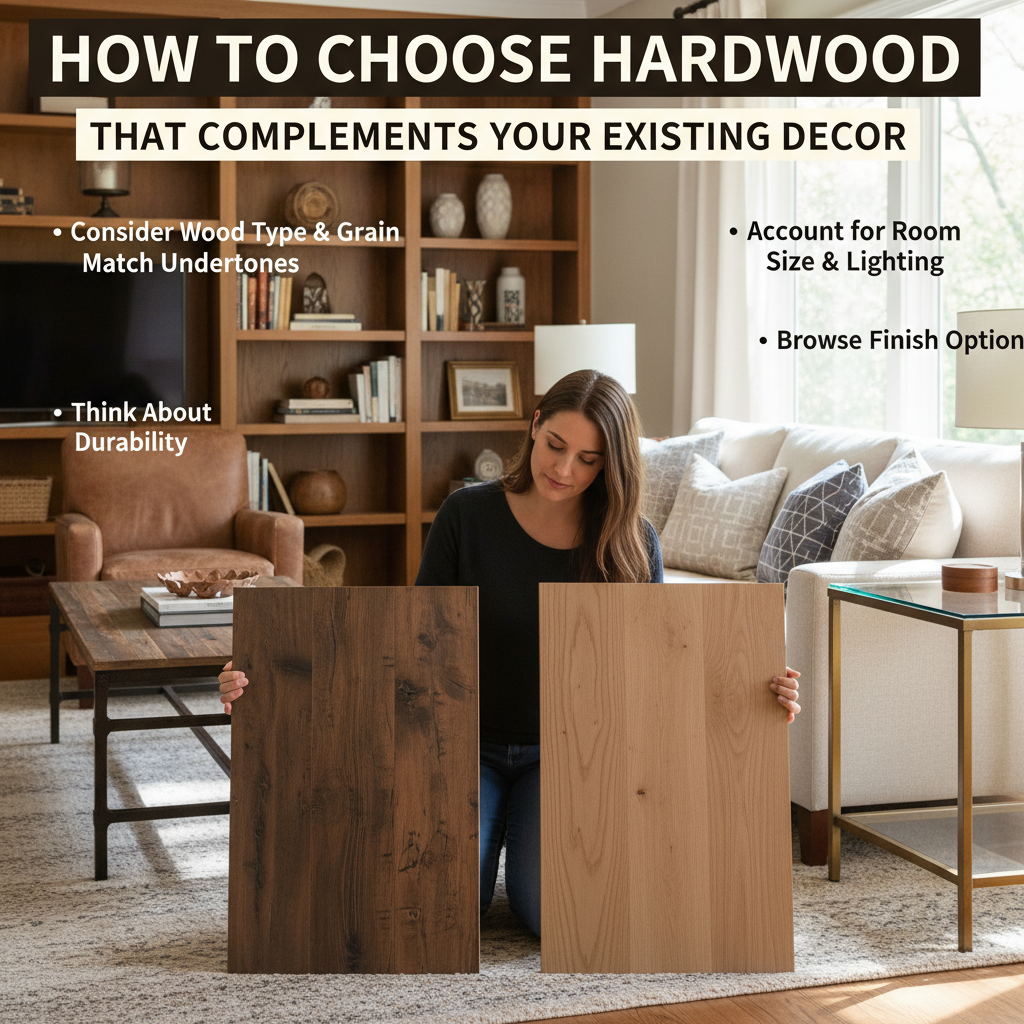
How to Choose Hardwood That Complements Your Existing Decor
Tue, Mar 24, 2026 4:00 PM GMT
Hardwood flooring is more than just a practical surface, it's the foundation of your room's entire aesthetic. When chosen well, it ties together wall colors, furniture, cabinetry, and accessories into a cohesive, inviting space. When chosen poorly, it can clash and make even beautiful decor feel off-balance.
The good news? You don't need a complete redesign. With a few thoughtful steps, you can select hardwood that enhances what you already love about your home. Here's a practical guide to get it right in 2026.
Step 1: Assess Your Current Style and Color Palette
Start by identifying the dominant vibe of your space:
- Modern/Minimalist: Clean lines, neutral tones, and a sense of openness.
- Farmhouse/Rustic: Warm, lived-in character with natural textures.
- Traditional/Classical: Timeless elegance with rich details.
- Coastal/Scandinavian: Light, airy, and serene.
- Transitional/Contemporary: A blend of classic and modern elements.
- Industrial/Eclectic: Bold contrasts and raw materials.
Next, look at your existing color palette. Note the undertones in your walls, trim, furniture, and cabinetry:
- Warm undertones (yellow, red, golden) pair best with honey, caramel, or chestnut hardwoods.
- Cool undertones (gray, blue) work well with lighter ash, maple, or white oak that has subtle grayish tones.
- Neutral or balanced spaces give you the most flexibility.
Pro tip: Take photos of your rooms in both natural daylight and artificial lighting. Lighting dramatically changes how wood appears.
Step 2: Decide on Contrast vs. Harmony
Avoid the temptation to match your floors exactly to your furniture or cabinets—it can make the space feel flat. Instead:
- Create contrast for drama and depth: Pair light hardwood with darker furniture (or vice versa). For example, light oak floors pop beautifully against a deep navy sofa or rich walnut dining table.
- Seek harmony for a calm, seamless look: Choose mid-tone floors that echo the warmth of your walls without competing. Warm neutrals like honey oak or soft caramel are especially forgiving and trending strongly in 2026.
In 2026, warm, toasty palettes (honey, caramel, chestnut, and gentle mid-browns) are dominating, moving away from cool grays toward more inviting, grounded tones that complement earthy paint colors and natural materials.
Step 3: Choose the Right Wood Species and Finish
Different species bring unique grain patterns, colors, and personalities:
- White Oak — Versatile, classic grain, takes stains beautifully. Excellent for almost any style, especially transitional, modern farmhouse, or coastal. Light to mid tones brighten spaces; wider planks add contemporary drama.
- Red Oak — More pronounced grain and warmer reddish undertones. Great for traditional or rustic looks.
- Maple — Smooth, tight grain with subtle variation. Ideal for modern, minimalist, or Scandinavian interiors where you want a clean, light backdrop.
- Hickory — Bold, dramatic grain with color variation. Perfect for farmhouse, rustic, or high-traffic family spaces.
- Walnut — Rich, dark chocolate tones with purple hints. Adds luxury and sophistication—pairs well with contemporary or moody, eclectic rooms.
- Ash — Light and airy with straight grain. A strong choice for coastal or bright, open-concept homes.
Finish matters too:
- Matte or low-sheen: Current favorite for a natural, understated look that hides scratches better.
- Satin: Balanced warmth and subtle sheen.
- Gloss: More formal and reflective—best for traditional spaces with lots of natural light.
Wide-plank and patterned layouts (herringbone, chevron) continue to rise in popularity, adding visual interest without overwhelming the decor.
Step 4: Match Hardwood to Popular Design Styles
Here are proven pairings:
- Modern/Farmhouse: Light to mid-tone white oak or maple in matte finish. Keeps things fresh and airy while adding warmth. Pair with neutral walls, black accents, and textured rugs.
- Coastal/Scandinavian: Pale oak, ash, or whitewashed tones. These reflect light and create a serene beach-house feel. Combine with whites, soft blues, and natural linens.
- Traditional: Richer red oak or walnut with satin finish. Complements ornate millwork, deep paint colors, and classic furniture.
- Contemporary/Transitional: Versatile mid-tone oak or hickory. Allows you to mix old and new pieces effortlessly.
- Industrial/Eclectic: Darker walnut or reclaimed-style hickory with character marks. Contrast with metal, leather, and bold art.
If your home has existing wood elements (stairs, trim, or furniture), decide whether to match undertones closely or introduce gentle contrast for interest.
Step 5: Test Samples in Your Actual Space
This is the most important step—never choose from a small swatch alone.
- Bring home several large samples (at least 12x12 inches or bigger).
- Lay them on your floor next to furniture, against walls, and near windows.
- Observe them at different times of day and with your usual lighting.
- Walk on them, view from sitting and standing positions.
Consider how the floor will interact with area rugs, which are excellent for adding contrast and defining zones. A darker rug on light floors (or light rug on dark floors) makes both elements stand out.
Bonus Tips for a Polished Result
- Room size matters: Lighter floors make small rooms feel larger; darker floors add coziness to large spaces.
- High-traffic or pet-friendly homes: Opt for harder species like hickory or oak and a more textured or matte finish that hides wear.
- Sustainability: Look for FSC-certified or responsibly sourced options—many beautiful reclaimed and engineered hardwoods offer eco-friendly choices without sacrificing style.
- Budget balance: Engineered hardwood often provides the same beautiful look as solid at a more accessible price, especially in areas with humidity fluctuations.
Final Thoughts
Choosing hardwood that complements your existing decor is about creating balance, letting the floors support and elevate the elements you already love rather than stealing the show. In 2026, leaning into warm, natural tones with versatile species like white oak gives you timeless appeal with modern comfort.
Take your time, test thoroughly, and don't be afraid to mix tones intentionally. The right hardwood doesn't just look good on day one, it grows more beautiful with your home over the years.
Ready to start? Visit a showroom with your room photos and fabric swatches, or consult a designer for personalized recommendations. Your perfect floors are waiting to tie everything together.
What’s your current decor style? Share in the comments, I’d love to help refine suggestions for your space!
If you're planning a project soon, consider factors like durability for your lifestyle and explore samples in person for the best match. Happy flooring!